When Should a Parking Lot Be Repaved? A Guide for Windham, NH Businesses
A well-maintained parking lot helps create a safer, more professional experience for customers, employees, and visitors. Over time, constant vehicle traffic, weather exposure, moisture, and seasonal temperature changes can cause asphalt pavement to deteriorate. Knowing the signs that a parking lot needs repaving can help Windham businesses address problems early and avoid larger pavement issues in the future.
Signs Your Parking Lot May Need Repaving
Parking lot damage often develops gradually, starting with small surface issues before progressing into larger pavement problems. Identifying these warning signs early can help businesses determine whether repairs are enough or if a more extensive repaving project may be needed.
Widespread Cracking and Alligator Cracking
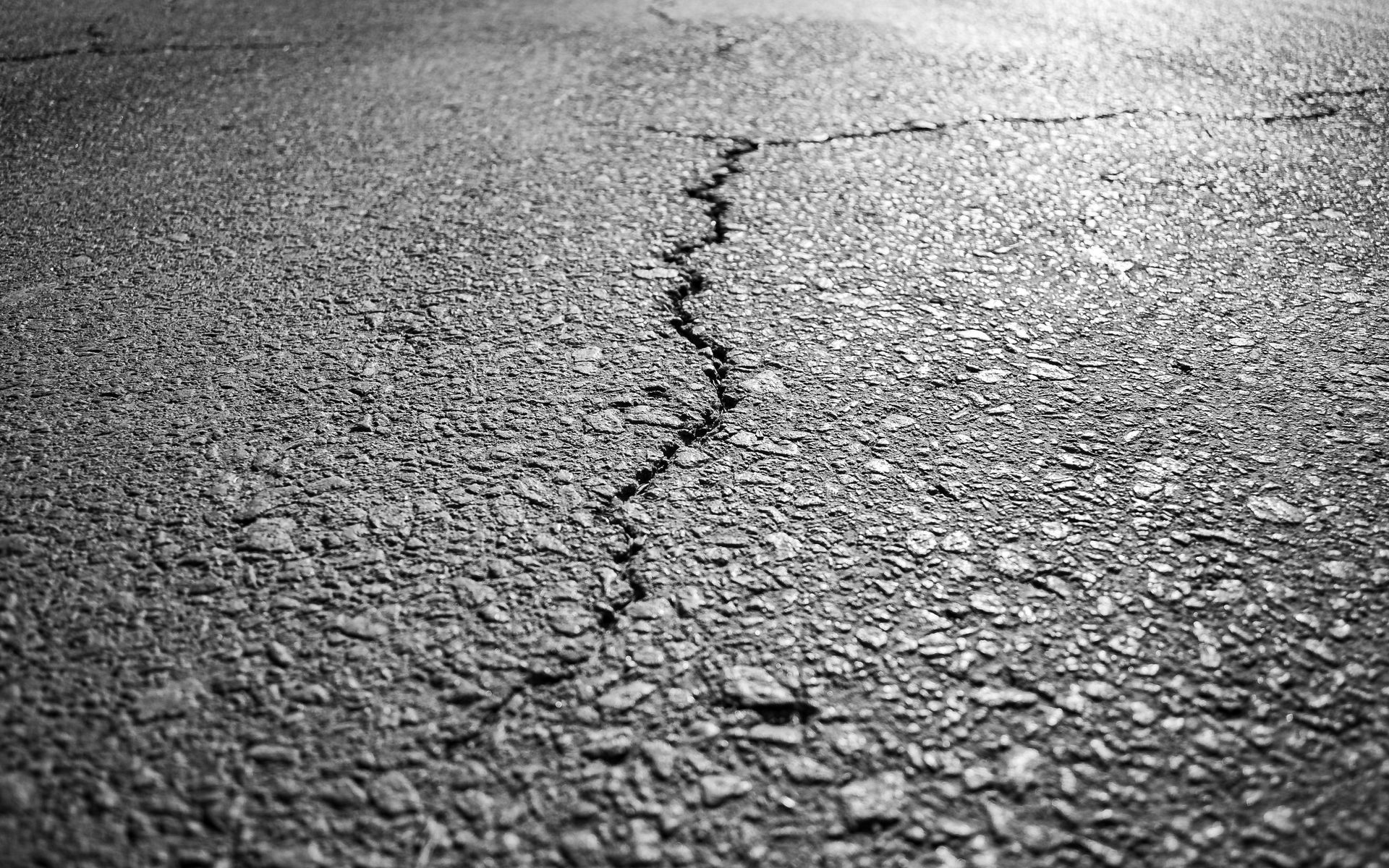
Small cracks can appear naturally over time, but widespread cracking or interconnected alligator cracking may indicate deeper pavement problems. These patterns often point to repeated stress, moisture damage, or weakened support beneath the asphalt surface.
Recurring Potholes and Surface Deterioration
Potholes that continue to return after repairs may be a sign that the underlying pavement structure is failing. Water infiltration, traffic loads, and freeze-thaw cycles can weaken asphalt and cause the surface to break down over time.
Drainage Problems and Standing Water
Water that collects on a parking lot can accelerate pavement deterioration. Poor drainage, uneven grading, or weakened base materials can allow moisture to affect the asphalt structure and contribute to cracking, settlement, and surface failure.
Uneven Pavement and Settlement
Areas of sinking or uneven pavement can indicate movement beneath the asphalt surface. When the base loses stability, the pavement may no longer provide a smooth, safe driving and parking surface for vehicles.
Faded, Brittle, and Aging Asphalt
Asphalt naturally becomes harder and less flexible as it ages and is exposed to sunlight, weather, and regular traffic. A faded or brittle surface may be more vulnerable to cracking, water intrusion, and continued deterioration.
Should You Repair, Resurface, or Repave Your Parking Lot?
Not every damaged parking lot requires complete replacement. The right solution depends on the condition of the asphalt surface, the stability of the base, the extent of the damage, and the long-term needs of the property. Evaluating these factors helps businesses choose an approach that addresses the actual cause of pavement problems.
When Parking Lot Repairs May Be Enough
Localized cracks, small potholes, and isolated areas of surface damage can often be addressed with targeted repairs when the surrounding pavement remains stable. Repairing smaller issues early can help prevent water intrusion and reduce the risk of more extensive pavement deterioration.
Businesses with localized pavement problems may benefit from targeted
asphalt repair services before considering a full repaving project.
When Parking Lot Resurfacing Makes Sense
Resurfacing can be a practical option when the existing asphalt has surface wear but the underlying base remains in good condition. Adding a new asphalt layer can improve appearance and performance, but it is not designed to correct major structural problems or failing foundations.
When Full Parking Lot Repaving Is the Better Choice
Full repaving may be the better long-term solution when a parking lot has widespread cracking, repeated failures, drainage issues, settlement, or problems beneath the asphalt surface. Rebuilding the pavement structure can provide a longer-lasting result when repairs or resurfacing are no longer enough.
Businesses can learn more about
commercial parking lot paving services and how PaveMaster approaches commercial pavement projects.
What Businesses Should Consider Before Repaving a Parking Lot
A commercial parking lot project requires more planning than simply installing new asphalt. Businesses need to consider traffic patterns, property access, drainage, pavement preparation, and how the work will affect daily operations. Proper planning helps create a smoother project and a parking lot that performs better over time.
Evaluate Traffic Patterns and Parking Needs
The amount and type of traffic a parking lot receives can influence the paving approach. Businesses should consider daily vehicle volume, delivery trucks, turning areas, and high-traffic zones to ensure the pavement design supports the property's needs.
Plan Around Business Operations
Parking lot repaving should be scheduled with the property's daily activities in mind. Businesses may need to plan for temporary access changes, customer communication, employee parking adjustments, and project timing to reduce disruptions during construction.
Review Drainage, Grading, and Base Conditions
Proper drainage, grading, and base preparation play an important role in long-term pavement performance. Addressing these elements before installing new asphalt can help reduce standing water, premature cracking, and future surface problems.
What Happens During a Commercial Parking Lot Repaving Project?
A commercial parking lot repaving project involves several steps to create a stable, durable surface. Proper planning, preparation, and installation are important because the quality of the work beneath the asphalt plays a major role in long-term pavement performance.
Site Evaluation and Project Planning
The process begins with evaluating the existing pavement, drainage conditions, access points, and overall site requirements. This helps determine the appropriate scope of work and identify any issues that need to be addressed before paving begins.
Pavement Removal and Surface Preparation
Damaged asphalt and unsuitable materials may need to be removed before new pavement is installed. Proper preparation creates a cleaner foundation and helps ensure the new asphalt can perform under regular commercial traffic.
Base Preparation and Grading
A stable base is essential for a long-lasting parking lot. The area is graded and prepared to support proper drainage, distribute vehicle loads, and create a strong foundation for the asphalt surface.
Asphalt Installation and Compaction
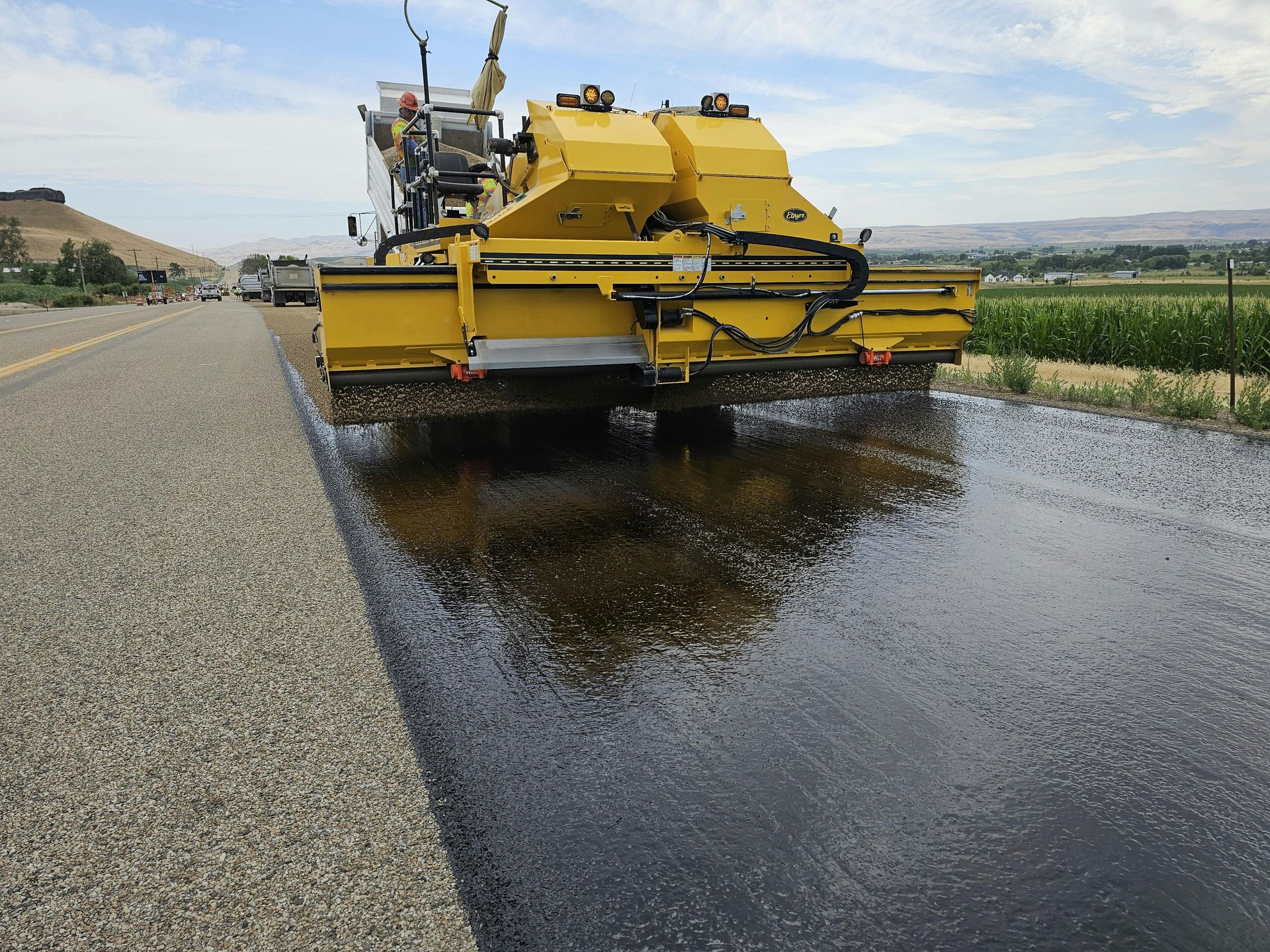
The asphalt is placed and compacted to create a smooth, durable driving surface. Proper compaction helps improve pavement strength, reduce premature wear, and support the demands of commercial vehicle traffic.
Final Inspection and Line Striping
After paving is complete, the surface is inspected and prepared for final details such as parking lot line striping. Clear markings help organize traffic flow, define parking spaces, and improve the overall function of the property.
How Windham, NH Weather Affects Parking Lots
Commercial parking lots in Windham experience seasonal conditions that can impact asphalt performance over time. Cold winters, temperature changes, snow removal, and repeated freeze-thaw cycles can place stress on pavement, especially when moisture reaches cracks or weakened areas.
New Hampshire weather can accelerate pavement deterioration when water enters the asphalt structure and freezes during colder months. As temperatures rise and fall, expansion and contraction can widen existing cracks, weaken supporting materials, and contribute to surface damage.
Proper installation, drainage, and regular maintenance help commercial parking lots better handle seasonal weather changes. Addressing small issues before they become larger problems can help protect the pavement and extend its useful life.
How to Extend the Life of a Commercial Parking Lot
Regular maintenance can help businesses protect their asphalt investment and reduce the likelihood of premature pavement failure. Routine inspections, timely repairs, proper drainage, and surface protection can help identify problems before they become larger and more expensive issues.
Address Cracks and Damage Early
Small cracks and isolated pavement issues can allow water to reach the underlying materials if they are left untreated. Addressing damage early can help prevent moisture-related deterioration and preserve the surrounding asphalt.
Maintain Proper Drainage
Water management plays an important role in parking lot performance. Keeping drainage systems clear and addressing areas where water collects can help reduce stress on the pavement structure.
Schedule Routine Pavement Maintenance
Regular maintenance, including inspections, crack repair, and parking lot sealcoating services, can help maintain the appearance and function of a commercial parking lot while extending its useful life.
Frequently Asked Questions About Parking Lot Repaving in Windham, NH
How Do I Know If My Parking Lot Needs Repaving?
A parking lot may need repaving when it has widespread cracking, recurring potholes, drainage issues, uneven areas, or damage that continues after repairs. A professional evaluation can help determine whether repairs, resurfacing, or full repaving is the right solution.
Should I Repair or Repave My Parking Lot?
The right choice depends on the condition of the pavement and the underlying base. Repairs may be enough for isolated damage, while widespread deterioration, structural issues, or repeated failures may require a larger paving solution.
Can a Damaged Parking Lot Be Resurfaced Instead of Replaced?
Resurfacing can be a good option when the existing asphalt surface is worn but the foundation remains stable. However, it may not solve problems caused by poor drainage, base failure, or significant structural damage.
How Long Does a Commercial Parking Lot Repaving Project Take?
The timeline depends on the size of the parking lot, preparation requirements, weather conditions, and the condition of the existing pavement. Projects requiring removal, grading, or base improvements may take longer than surface-level work.
What Factors Affect the Cost of Repaving a Parking Lot?
Parking lot repaving costs can vary based on factors such as lot size, pavement condition, preparation needs, drainage improvements, asphalt thickness, and site access. A site evaluation provides the most accurate understanding of the work required.
How Can Businesses Prepare for a Parking Lot Repaving Project?
Businesses can prepare by communicating schedule changes, planning temporary access routes, informing customers and employees, and working with the paving contractor to reduce disruptions during construction.
Plan Your Parking Lot Repaving Project in Windham, NH
A damaged parking lot can affect safety, appearance, and the overall experience of customers and visitors. PaveMaster helps Windham businesses evaluate pavement conditions, understand their options, and choose the right approach for repairs, resurfacing, or repaving.
Learn more about
commercial parking lot paving in Windham, NH and discuss your next pavement project with the PaveMaster team.
You might also like