What Causes Asphalt Driveways to Crack in Windham, NH?
Asphalt driveways can crack because of freeze-thaw cycles, water infiltration, weak base materials, repeated vehicle loads, and natural aging. In Windham, seasonal temperature swings and winter moisture can place additional stress on pavement. Understanding why cracks form can help homeowners spot problems early and decide when maintenance or professional repair is needed.
What Causes Asphalt Driveway Cracks?
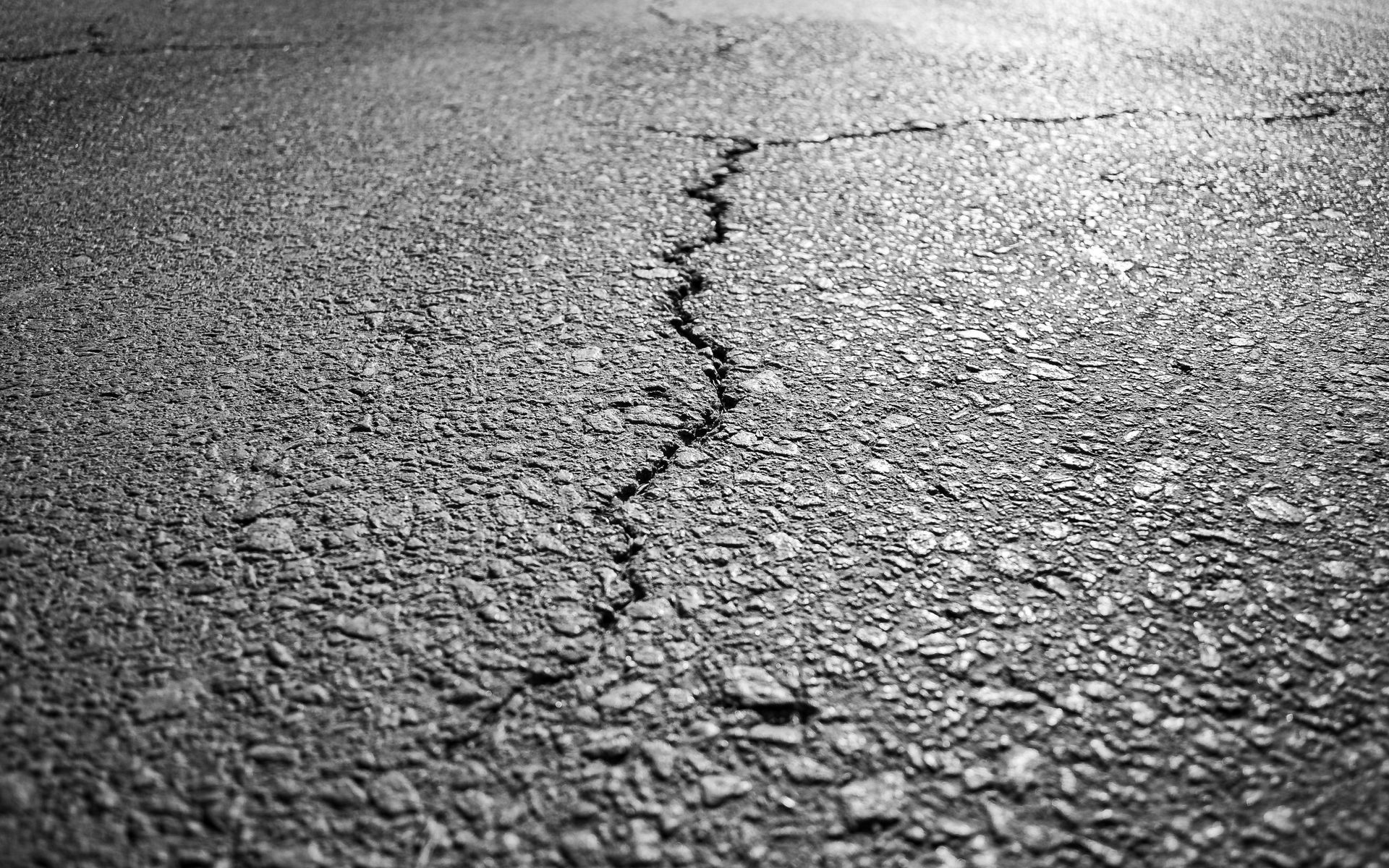
Asphalt driveway cracks form when pavement is stressed by movement, moisture, temperature changes, repeated loads, or age-related deterioration. The likely cause often becomes clearer when you look at the crack pattern and the condition of the pavement beneath it.
Freeze-Thaw Cycles and Temperature Changes
Water can enter small openings in the pavement, freeze during cold weather, and expand. Repeated freezing and thawing can place stress on the asphalt and supporting materials, causing existing cracks to widen over time.
Water Infiltration and Poor Drainage
Standing water and poor drainage can allow moisture to reach the pavement base. When the supporting material becomes weakened or shifts, the asphalt above it may settle, crack, or develop uneven areas.
Weak or Shifting Base Materials
A stable base supports the asphalt surface and helps distribute vehicle weight. If the base was poorly compacted, becomes saturated, or begins to move, the pavement can lose support and develop structural cracks.
Heavy Vehicle Loads and Repeated Traffic
Repeated traffic places stress on asphalt, especially when vehicles are heavier than the pavement was designed to handle. Over time, this repeated loading can contribute to fatigue cracking and surface deterioration.
Asphalt Aging and Oxidation
Asphalt naturally becomes harder and less flexible as it ages and is exposed to sunlight and weather. As the pavement loses flexibility, it becomes more likely to crack when temperatures change or the surface moves.
What Different Asphalt Crack Patterns Can Tell You
The shape and location of a crack can offer useful clues about what is happening in or beneath the pavement. Some patterns are linked to temperature changes and aging, while others may point to movement, weak support, or repeated traffic loads.
Alligator or Fatigue Cracking
Alligator cracking appears as a connected pattern of small cracks that resembles reptile skin. It often develops when the pavement loses structural support or experiences repeated loading over a weakened base.
Longitudinal Cracks
Longitudinal cracks run in the same direction as the driveway. They can develop from pavement movement, joint separation, poor compaction, or stress along the length of the asphalt surface.
Transverse Cracks
Transverse cracks run across the driveway and are often associated with temperature-related contraction and expansion. They may become more noticeable as asphalt ages and loses flexibility.
Block Cracking
Block cracking forms large rectangular or square sections across the pavement. This pattern is commonly linked to asphalt aging, shrinkage, and repeated temperature changes rather than heavy traffic alone.
Edge Cracking
Edge cracks develop near the sides of a driveway where pavement may have less support. Poor drainage, weak shoulders, soil movement, or repeated vehicle loading near the edge can contribute to this type of damage.
Why Asphalt Driveways Crack in Windham's Climate
Windham's cold winters, snowmelt, seasonal temperature swings, and repeated freeze-thaw cycles can increase stress on asphalt driveways. Moisture that enters cracks or reaches the base can freeze and expand, while spring thaw can expose or worsen areas that have already lost support.
When Should Asphalt Driveway Cracks Be Repaired?
Asphalt cracks should be addressed when they begin to widen, collect water, or spread across the surface. Early repair can help limit moisture intrusion and keep localized damage from becoming more extensive. PaveMaster provides
asphalt crack repair services for driveways with cracking, potholes, and other surface deterioration.
When Cracking May Signal a Larger Pavement Problem
Widespread alligator cracking, recurring potholes, sinking areas, or cracks that return after repair can point to problems beneath the asphalt surface. If these warning signs are showing up on your property, explore PaveMaster's
driveway paving in Windham, NH to see how we evaluate and address failing pavement. When the base has weakened or the pavement has lost structural support, simple crack filling may not be enough. Our guide to
driveway resurfacing vs. replacement explains when more extensive work may be appropriate.
How to Help Prevent Asphalt Driveway Cracks
Good drainage, timely crack repair, careful snow removal, and routine pavement maintenance can help reduce premature cracking. Keeping water away from the driveway base and addressing small defects early can slow deterioration and help the asphalt perform better through Windham's seasonal weather changes.
Frequently Asked Questions About Asphalt Driveway Cracks in Windham, NH
Why Is My Asphalt Driveway Cracking?
Asphalt driveways can crack from temperature changes, water infiltration, weak base materials, repeated vehicle loads, poor drainage, and natural aging. The crack pattern often provides clues about the underlying cause.
What Does Alligator Cracking Mean on an Asphalt Driveway?
Alligator cracking usually points to structural stress or weakened support beneath the asphalt. The connected crack pattern can develop when repeated traffic loads affect pavement that no longer has a stable base.
Can Water Under an Asphalt Driveway Cause Cracks?
Yes. Water can weaken the base and surrounding soil, allowing the pavement to move or settle. In colder weather, freezing and thawing can place additional stress on already weakened areas.
Why Do Asphalt Driveway Cracks Get Worse During Winter?
Moisture can enter existing cracks, freeze, and expand during cold weather. Repeated freeze-thaw cycles can widen openings and increase movement in the pavement and supporting materials.
Does Sealcoating Fix Cracks in an Asphalt Driveway?
Sealcoating helps protect the asphalt surface, but it does not repair significant existing cracks. Cracks should usually be treated first, with asphalt sealcoating services used afterward as part of a broader pavement maintenance plan.
When Should I Call a Paving Contractor About Driveway Cracks?
Consider a professional evaluation when cracks are widespread, keep returning after repair, form an alligator pattern, or appear alongside potholes, sinking, or uneven pavement. These signs may indicate a deeper pavement or base problem.
Get Help With a Cracked Asphalt Driveway in Windham, NH
If your driveway has spreading cracks, recurring damage, or signs of pavement movement, PaveMaster can evaluate the condition and recommend the appropriate next step. Contact our team for guidance on asphalt repair, resurfacing, or driveway paving in Windham.
You might also like