Asphalt Driveway Resurfacing vs. Replacement: A New Hampshire Homeowner’s Guide
An aging asphalt driveway does not always need to be torn out and rebuilt. If deterioration is mainly at the surface and the pavement underneath remains stable, resurfacing may restore the driveway without full reconstruction. When cracking, settlement, drainage problems, or recurring failures extend deeper, replacement may be the better option.
For New Hampshire homeowners, years of moisture, freezing and thawing, vehicle traffic, and previous repairs can also affect that decision. Looking beyond visible damage helps determine whether a new asphalt layer can perform properly or whether more extensive reconstruction is needed.
What Is the Difference Between Driveway Resurfacing and Replacement?
Driveway resurfacing keeps most of the existing pavement in place and adds a new asphalt surface after necessary preparation and repairs. Replacement removes deteriorated pavement and rebuilds areas that can no longer provide reliable support. The deciding factor is how much of the existing driveway structure can still be used. Homeowners considering either option can learn more about PaveMaster’s residential driveway paving services.
When Is Asphalt Driveway Resurfacing a Good Option?
Asphalt driveway resurfacing can work well when deterioration is concentrated near the surface and the pavement underneath still provides dependable support. Cracking, settlement, drainage, and weak areas should be assessed first because an overlay performs best when deeper structural problems are not present.
Surface Wear and Minor Cracking
Faded asphalt, rough texture, shallow damage, and limited cracking do not always mean a driveway needs complete replacement. When deterioration has not developed into widespread structural failure, repairs followed by resurfacing may restore a smoother and more durable surface.
A Stable Base and Good Drainage
A stable foundation is essential for successful resurfacing. Significant settlement, recurring soft spots, frost-related movement, or water collecting beneath the pavement can indicate problems that a new surface will not correct. Those issues should be addressed before an overlay is considered.
When an Asphalt Overlay Can Extend Driveway Life
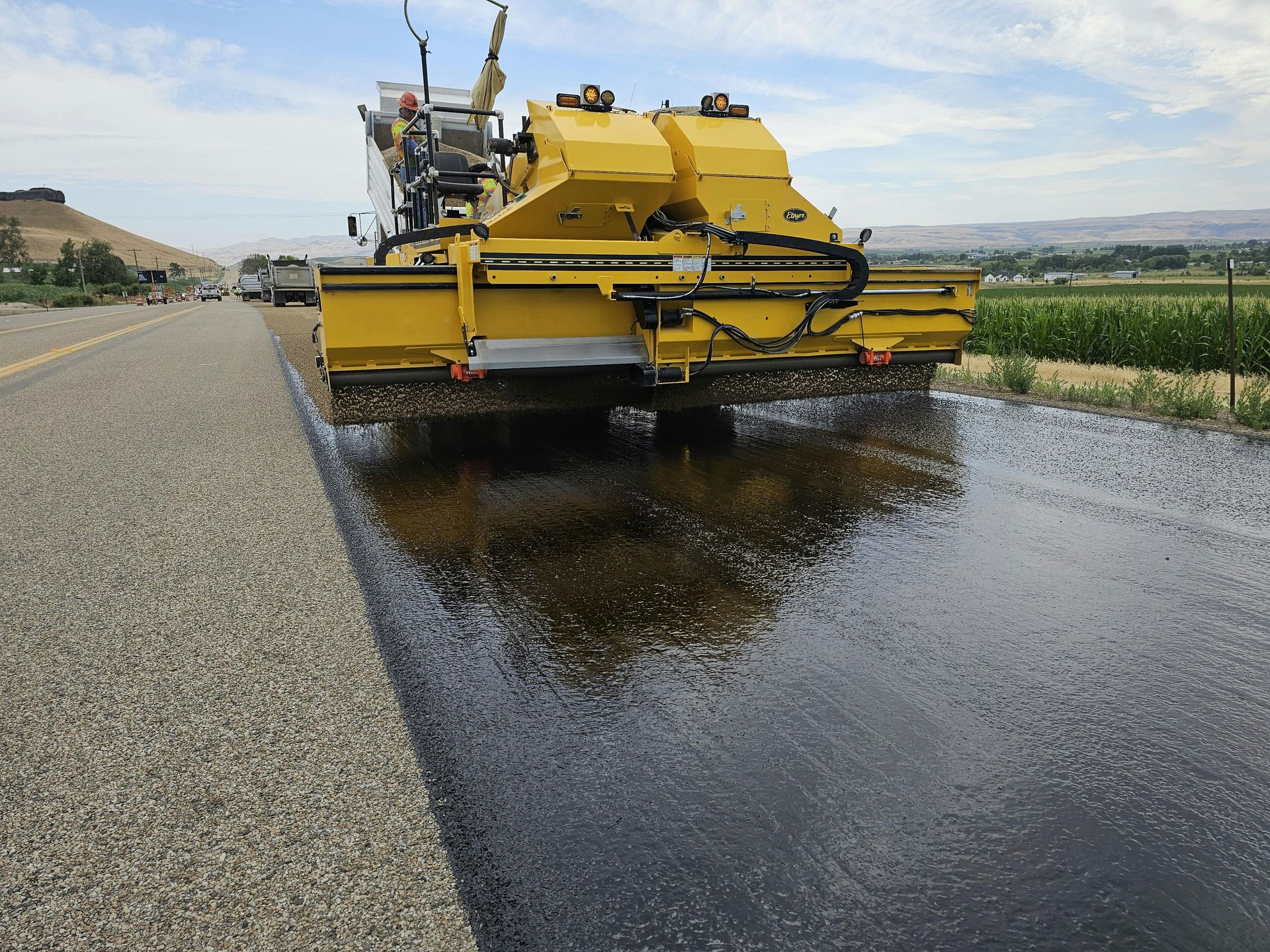
An asphalt overlay adds a new paved surface over properly prepared existing pavement. It can extend the useful life of a worn driveway when damaged areas are repaired first and the pavement underneath remains suitable for resurfacing.
When Should an Asphalt Driveway Be Replaced?
Asphalt driveway replacement is usually more appropriate when deterioration extends below the surface and the existing structure can no longer provide dependable support. Widespread cracking, repeated settlement, recurring potholes, or serious drainage problems can indicate that resurfacing would cover the symptoms without correcting the cause.
Widespread or Alligator Cracking
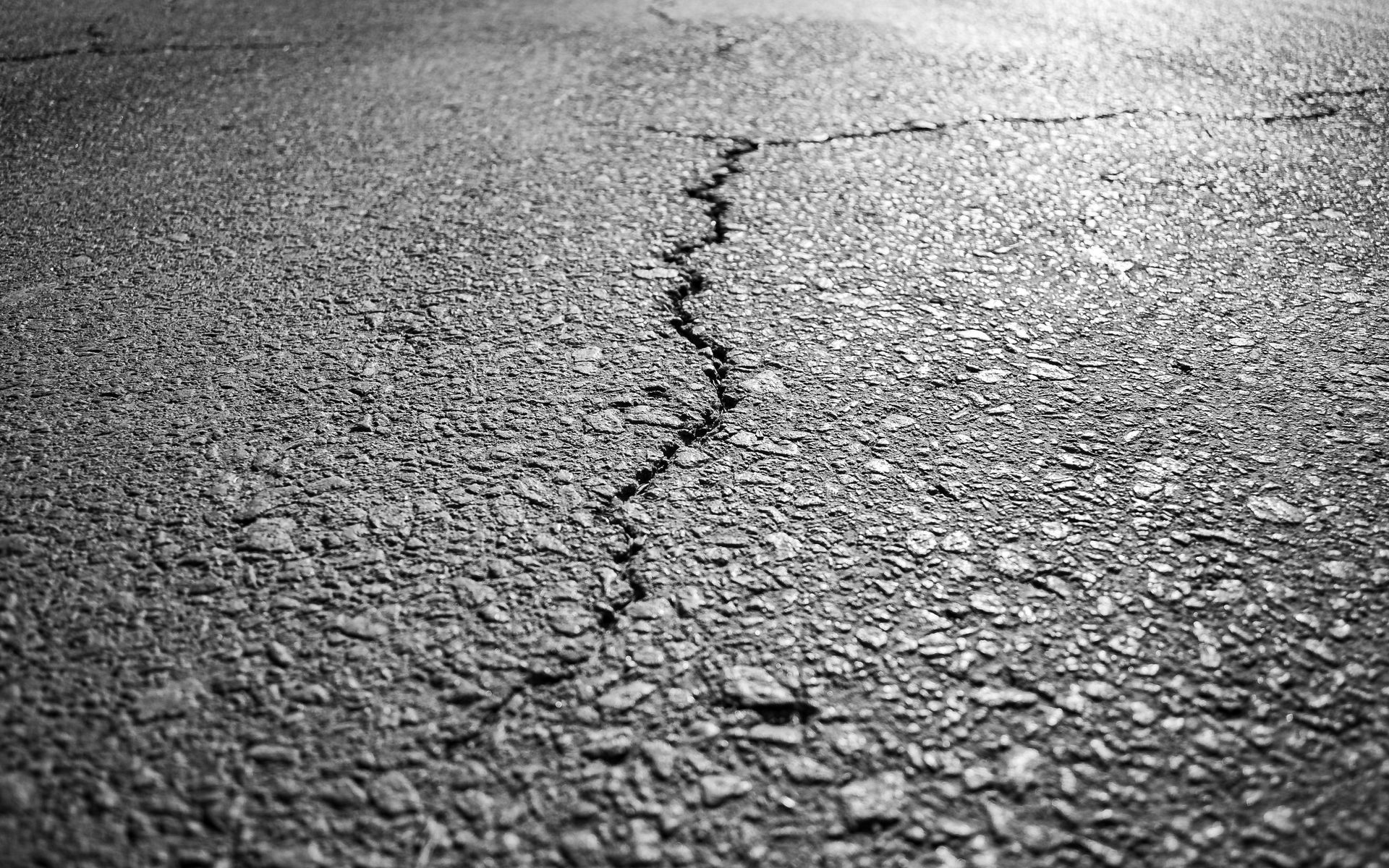
A few isolated cracks may be repairable, but dense networks of interconnected cracks can point to structural weakness beneath the surface. Alligator cracking often appears where pavement has lost support and is flexing under vehicle loads, making a simple overlay less likely to solve the problem.
Settlement, Heaving, or Uneven Areas
Low spots, raised sections, and uneven pavement can indicate movement beneath the driveway. Settlement may develop where support has weakened, while frost-related movement can lift or shift pavement during New Hampshire winters. Widespread movement may require reconstruction before new asphalt is installed.
Recurring Potholes and Base Failure
Potholes that repeatedly return after repairs may indicate a deeper problem below the asphalt. If the supporting material has weakened or shifted, surface patching may provide only temporary relief. Rebuilding the affected area allows failed material to be removed before a new surface is placed.
Drainage Problems Beneath the Pavement
Standing water, recurring soft spots, and moisture entering through cracks can contribute to deterioration below the driveway surface. When water repeatedly weakens the supporting structure, resurfacing alone may not solve the problem. Replacement can provide an opportunity to correct grading, drainage, and unstable areas first.
Driveway Resurfacing vs. Replacement: Side-by-Side Comparison
The best option depends on how much of the existing driveway can still provide reliable support. Resurfacing preserves more of the current pavement, while replacement allows deeper problems to be corrected before new asphalt is installed.
| Factor | Driveway Resurfacing | Driveway Replacement |
|---|---|---|
| Best for | Surface wear with a stable underlying structure | Widespread structural deterioration or failed support |
| Existing pavement | Much of it remains in place | Damaged asphalt is removed as needed |
| Base condition | Should remain stable | Weak or failed areas can be rebuilt |
| Cracking | Better suited to minor or limited cracking | More appropriate for extensive structural cracking |
| Settlement or heaving | May make resurfacing unsuitable | Can allow underlying movement problems to be corrected |
| Drainage issues | Must be manageable without major reconstruction | Provides greater opportunity to correct grading and drainage problems |
| Project scope | Less extensive | More extensive |
| Relative cost | Generally lower when major reconstruction is not required | Generally higher because removal and rebuilding may be involved |
| Main advantage | Restores a worn surface while preserving usable pavement | Rebuilds areas that can no longer support a lasting surface |
How Much Does Driveway Resurfacing Cost Compared With Replacement?
Driveway resurfacing generally costs less because more of the existing pavement remains in place. Final cost depends on driveway size, preparation, repairs, grading, access, drainage work, and the condition underneath. Replacement typically costs more because deteriorated pavement may need to be removed and weak areas rebuilt before new asphalt is installed.
A lower upfront price should not be the only deciding factor. Resurfacing can become a poor investment when structural problems already exist below the surface.
How New Hampshire Weather Affects the Resurface-or-Replace Decision
New Hampshire weather can accelerate asphalt deterioration when moisture enters cracks and repeated freezing and thawing place additional stress on weakened pavement. Snowplowing, seasonal temperature changes, and winter moisture can also contribute to damage over time. Homeowners in Hooksett and other New Hampshire communities should consider whether recurring cracks, potholes, settlement, or uneven areas point to problems beyond the surface.
If the driveway remains stable after years of seasonal exposure, resurfacing may still be practical. When frost movement, poor drainage, or repeated moisture intrusion has affected the supporting structure, replacement may allow those problems to be corrected before new asphalt is installed.
Can a Cracked Asphalt Driveway Be Resurfaced?
Yes, some cracked asphalt driveways can be resurfaced. Isolated surface cracks may be repaired before an overlay, while widespread alligator cracking, movement cracks, or continuing settlement can indicate deeper failure. Homeowners dealing with active cracking or potholes can also review PaveMaster’s asphalt repair services before deciding whether resurfacing is appropriate.
How Long Does Asphalt Driveway Resurfacing Last?
The lifespan of a resurfaced driveway depends on the existing pavement, preparation, drainage, traffic, weather exposure, and maintenance. A stable driveway can gain years of additional service from resurfacing, while unresolved settlement, water damage, or structural failure can shorten the life of the new surface.
How PaveMaster Evaluates Whether a Driveway Needs Resurfacing or Replacement
PaveMaster looks beyond visible surface wear when evaluating a driveway. Crack patterns, settlement, pavement stability, grading, drainage, and recurring repairs can help indicate whether the existing structure is suitable for resurfacing. When deeper deterioration is affecting performance, replacement may provide the better opportunity to correct the underlying problem.
Resurface or Replace? A Simple Decision Guide
The condition beneath the visible asphalt should guide the decision more than appearance alone. Resurfacing is generally worth considering when the driveway remains structurally stable, while replacement becomes more appropriate when deterioration extends deeper.
Consider resurfacing when:
Surface wear is widespread but the driveway remains stable.
Cracking is minor or limited to repairable areas.
There is little or no significant settlement or heaving.
Drainage is working properly.
The existing pavement can support a new asphalt overlay.
Consider replacement when:
Alligator cracking or deep structural cracks cover large areas.
Sections of the driveway are sinking, heaving, or shifting.
Potholes repeatedly return after repairs.
The supporting foundation has weakened or failed.
Drainage or grading problems require deeper correction.
Asphalt Driveway Services for Hooksett and New Hampshire Homeowners
Homeowners who are unsure which option fits their driveway should have the pavement assessed before committing to either approach. PaveMaster provides driveway paving in Hooksett, NH and serves homeowners across New Hampshire with resurfacing, replacement, repairs, and new asphalt installation.
Frequently Asked Questions About Driveway Resurfacing and Replacement
These questions address common concerns homeowners have when deciding whether an aging asphalt driveway can be resurfaced or needs more extensive work.
Can alligator cracking be fixed by resurfacing?
Usually not when the cracking is widespread. Alligator cracking can point to movement or loss of support beneath the surface, so deeper repair or replacement may be necessary.
Do potholes need to be repaired before driveway resurfacing?
Yes. Potholes and other failed areas should be repaired before resurfacing so the new overlay is placed over a stable surface.
Does an asphalt driveway need to be milled before resurfacing?
Not every driveway needs milling. It may be used when surface height, uneven pavement, damaged areas, or transitions need correction before a new asphalt layer is installed.
Can drainage problems be corrected before resurfacing?
Some drainage problems can be addressed through grading or surface preparation, while deeper water issues may require more extensive work. Resurfacing should not simply cover a problem that continues to weaken the pavement.
Can an asphalt driveway be resurfaced more than once?
Sometimes. Another overlay may be possible when the existing pavement remains stable and previous resurfacing has not created problems with height, drainage, or adjoining surfaces.
Does resurfacing raise the height of an asphalt driveway?
Yes. A new asphalt layer raises the finished surface, so garages, sidewalks, road connections, drainage points, and other adjoining areas need to be considered.
Get Your Asphalt Driveway Evaluated
If you are unsure whether your driveway needs resurfacing or replacement, an on-site assessment can determine whether the problem is limited to the surface or extends deeper. PaveMaster can evaluate the driveway and recommend the appropriate next step based on the pavement and the issues affecting it.
You might also like