7 Signs Your Asphalt Driveway Needs Repair in Hooksett, NH
Asphalt driveway damage often develops gradually, so it is easy to overlook early warning signs until the problem becomes more noticeable. Cracks, potholes, standing water, uneven sections, and crumbling edges can all indicate different levels of deterioration. For Hooksett homeowners, recognizing these changes early can make it easier to determine whether the driveway needs a localized repair, resurfacing, or a more extensive solution.
Warning Signs Your Asphalt Driveway Needs Repair
Not every mark or surface change means a driveway needs immediate repair. Damage deserves closer attention when it keeps spreading, returns after previous repairs, affects drainage, creates uneven areas, or begins interfering with normal use of the driveway. Looking at how the problem is changing over time often provides more useful information than appearance alone.
1. Cracks Are Getting Wider or Spreading
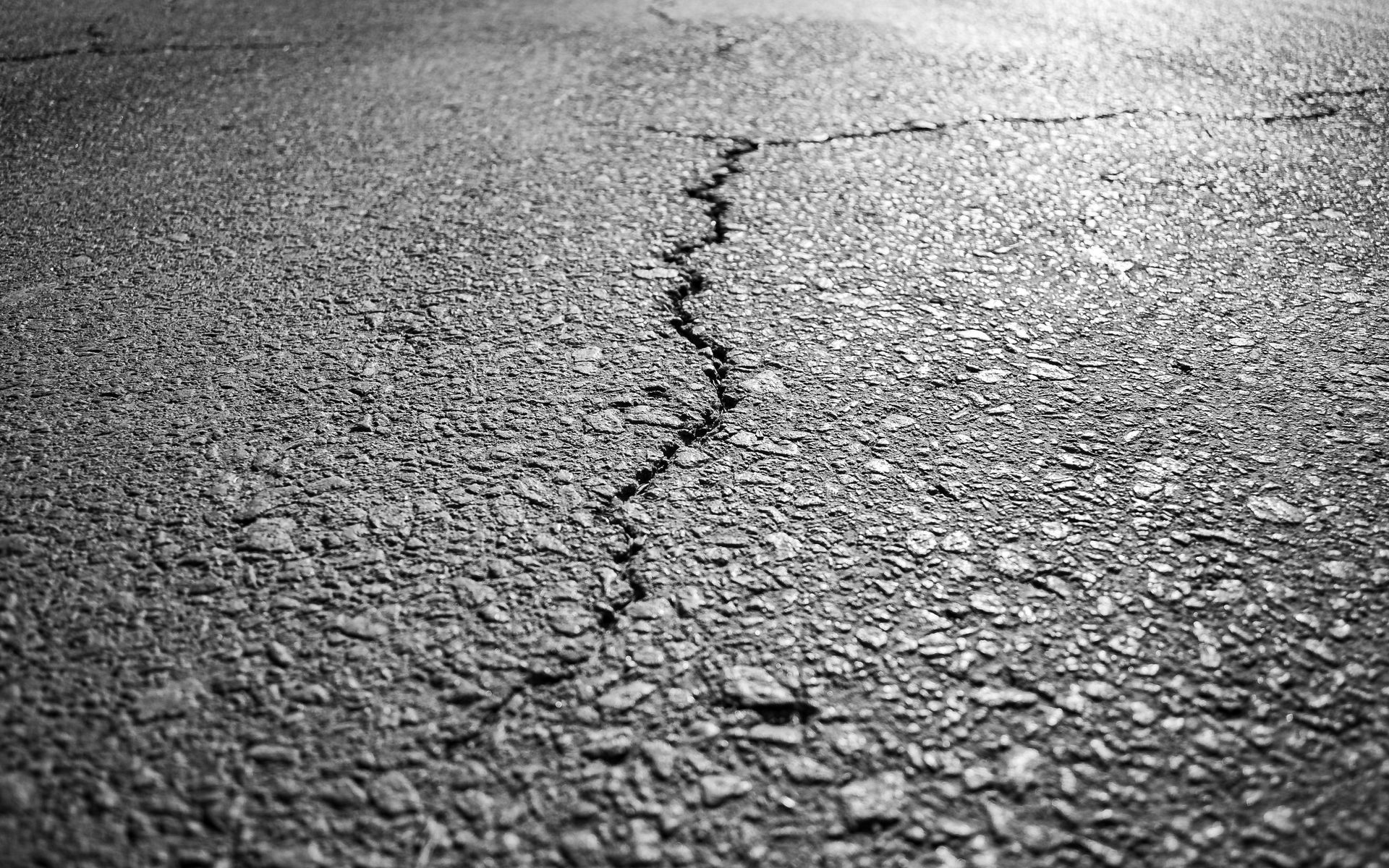
A few small cracks do not always mean an asphalt driveway has a serious problem, but cracks that continue widening, multiplying, or forming interconnected patterns deserve closer attention. Changes like these can indicate that the pavement is under ongoing stress or losing support in certain areas. The size, pattern, and rate of change can help determine whether simple crack repair is enough or whether the driveway needs a broader evaluation.
2. Potholes Keep Appearing
An isolated pothole may be repairable, but potholes that return in the same area can point to a deeper issue beneath the surface. Repeated failure may involve weakened pavement, moisture, or loss of support, which is why patching the same spot over and over may only provide a temporary fix. PaveMaster’s asphalt repair services can address potholes and other damaged areas based on how far the deterioration extends.
3. Water Pools on the Driveway
Water that repeatedly collects in the same part of a driveway can signal a low spot, grading issue, or pavement movement. Standing water also keeps moisture in contact with cracks and weakened areas for longer periods, which can contribute to further deterioration over time. If pooling returns after every rainfall, the drainage problem should be considered along with any visible surface damage.
4. Sections Are Sinking, Heaving, or Becoming Uneven
Sunken areas, raised sections, and uneven pavement can indicate movement or weakening beneath the asphalt. These changes may develop from settlement, poor support, drainage problems, or shifting materials below the driveway. When the surface is noticeably changing elevation, a simple patch may not address the cause, so the affected area should be evaluated before more extensive damage develops.
5. The Driveway Edges Are Crumbling
Crumbling or broken driveway edges can develop where pavement lacks enough support or is repeatedly stressed by vehicles traveling too close to the edge. Once the outer asphalt begins breaking apart, the damaged area can gradually spread inward and weaken more of the driveway. Repairing edge deterioration early can help prevent a small problem from becoming a larger section of failed pavement.
6. The Asphalt Surface Is Becoming Rough or Loose
A rough surface or loose aggregate can be a sign that the top layer of asphalt is wearing down. This type of deterioration does not always mean the driveway needs full replacement, but it can indicate that the surface is losing strength and should be assessed before larger cracks, potholes, or broken areas develop.
7. Previous Repairs Keep Failing
When cracks, potholes, or sunken areas return after being repaired, the visible damage may not be the root problem. Repeated failure can point to ongoing movement, poor drainage, weakened support, or deterioration beneath the repaired area. If the same section keeps breaking down, a broader evaluation may be needed instead of another surface-level fix.
Does Your Driveway Need Repair, Resurfacing, or Replacement?
The right solution depends on how extensive the damage is and whether the pavement beneath the visible surface remains stable. Localized problems may only need targeted repair, while widespread wear or deeper structural deterioration can make resurfacing or replacement more appropriate.
When Localized Repair May Be Enough
Small cracks, isolated potholes, and limited damaged areas may be repairable when the surrounding asphalt remains stable and the problem is not continuing to spread. Targeted repairs can address these areas without resurfacing or rebuilding portions of the driveway that are still performing well.
When Resurfacing May Be the Better Option
Resurfacing may make sense when deterioration affects much of the driveway surface but the pavement underneath can still provide reliable support. If you are unsure whether the existing driveway is suitable for an overlay, our guide to driveway resurfacing vs. replacement explains the conditions that typically influence that decision.
When Replacement May Be More Appropriate
Replacement may be the better option when widespread structural cracking, significant settlement, recurring pavement failures, or deeper drainage problems affect the driveway. Removing failed areas allows underlying problems to be corrected before new asphalt is installed rather than repeatedly repairing symptoms at the surface.
Asphalt Driveway Repair in Hooksett, NH
If your driveway is showing cracks, potholes, uneven areas, or recurring drainage problems, an on-site evaluation can help determine how far the damage extends and which repair approach makes sense. PaveMaster provides
asphalt paving and repair in Hooksett NH for residential properties, with recommendations based on the condition of the pavement and the needs of the site.
What Can Hooksett Homeowners Do Before Driveway Damage Gets Worse?
Small pavement problems are easier to manage when they are addressed before they spread into larger failures. Hooksett homeowners can reduce further deterioration by repairing visible damage, correcting recurring water issues, and maintaining asphalt that is still structurally sound.
Address Cracks and Potholes Early
Cracks and potholes should be repaired before they widen, break apart, or allow more moisture to reach vulnerable areas. Early repairs can help limit additional deterioration, but recurring damage may still require a closer look at the pavement underneath.
Watch for Recurring Drainage Problems
Water that repeatedly collects in the same area can continue stressing damaged pavement even after surface repairs are completed. If pooling keeps returning, the driveway may need grading, drainage correction, or repair to low and settled areas rather than another temporary patch.
Keep Structurally Sound Asphalt Maintained
Preventive maintenance can help protect pavement that remains stable and free of major structural problems. Asphalt sealcoating can help protect the surface from weather and everyday exposure, but cracks, potholes, and failed areas should be repaired before sealcoating is applied.
Frequently Asked Questions About Asphalt Driveway Repair in Hooksett
These answers address common questions Hooksett homeowners have when they are trying to decide whether driveway damage needs a simple repair or a more extensive solution.
Are small cracks in an asphalt driveway serious?
Not always. Small cracks may be limited to the surface, but cracks that widen, spread, or return after repair can indicate a problem that deserves closer evaluation.
Can potholes be repaired without replacing the driveway?
Yes. Isolated potholes can often be repaired when the surrounding pavement remains stable, while recurring potholes may point to deeper deterioration beneath the surface.
Why does the same driveway crack keep coming back?
A recurring crack may develop when movement, settlement, drainage problems, or another underlying issue continues beneath the repaired area. Repeated surface repairs may not last if the cause of the movement is not addressed.
Does standing water mean my driveway needs repair?
Not automatically, but repeated pooling can indicate low spots, grading problems, or pavement movement. If water continues collecting in the same area, the cause should be evaluated before additional deterioration develops.
Can a sinking asphalt driveway be repaired?
Sometimes. The right solution depends on why the pavement is settling, how large the affected area is, and whether the supporting material beneath the asphalt remains stable.
How do I know if driveway damage is only on the surface?
Surface-level damage usually does not involve significant settlement, widespread structural cracking, recurring potholes, or major pavement movement. When the cause is unclear, an on-site assessment can help determine how far the deterioration extends.
Have Your Asphalt Driveway Evaluated in Hooksett NH
If you are seeing one or more of these warning signs and are unsure whether the driveway needs repair, resurfacing, or replacement, an on-site assessment can help clarify the next step. You can request an asphalt paving estimate from PaveMaster to have the driveway evaluated based on the extent of the damage and the condition of the pavement.
You might also like